
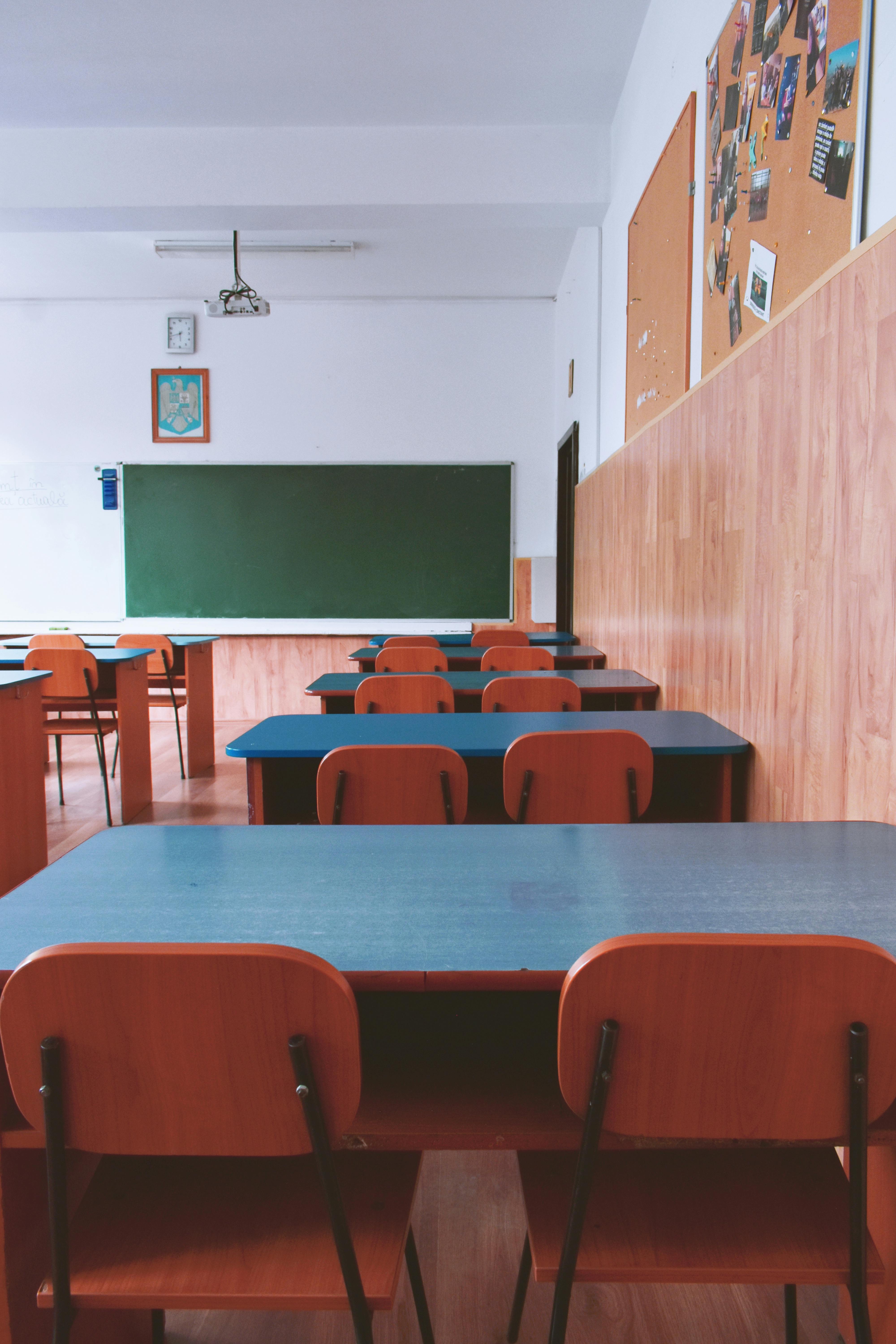
Addressing poverty and hardship in schools requires looking at all aspects of children’s lives and the whole eco-system surrounding children and their families. From small but powerful tweaks in classroom practices to big and ambitious policy change that reaches beyond school grounds.
In this episode, we speak with Sean Harris. Sean is an author, journalist, Director of PLACE (People, Learning and Community Engagement) of Tees Valley Education and PhD candidate at Teesside University.
He has recently published the book Tackling Poverty and Disadvantage in Schools: Understand more deeply and better address inequalities in your school, co-authored with Katrina Morley and including contributions by many professionals working in and across schools in England. He also has his own fantastic Substack with regular news and reflections about poverty, inequality and education.
One of many take-away messages from our conversation? Be ‘furiously curious’! So you feel the need to tackle the injustice of poverty while at the same time checking in with preconceptions, myths and misconceptions, and formulate responses on the basis of what’s actually happening rather than assumptions.
In this episode, I refer to research that we undertook at the Open University about living on low income in new housing areas. You can find more information here.
Also, when discussing the interaction of poverty and hardship with neurodivergence and disability, you will hear Sean refer to SEND schools or provision. This stands for Special Educational Needs and Disabilities.
Photo credit: Diana via Pexels.com
0 comments on “Episode #48: Tackling poverty and disadvantage in schools – Sean Harris”